November 12, 2026
Understanding the fundamentals of onsite wastewater management is essential for any property owner living outside municipal sewer districts. A private waste setup quietly processes thousands of gallons of daily effluent, shielding surrounding soil from dangerous biological contaminants. Because subterranean components operate entirely out of sight, many residents ignore routine care until unpleasant backups disrupt household routines. Enlisting a qualified septic tank pumping service provides essential mechanical preventative care, protecting delicate drainfield soil while extending the operational lifespan of expensive infrastructure. Learning basic waste biological processes, capacity guidelines, and landscape restrictions empowers homeowners to make informed maintenance choices, preventing catastrophic failures and securing sanitary operation indefinitely.
Understanding Fundamental Biological Digestion Inside the Underground Vessel
Domestic wastewater exits residential plumbing fixtures through a primary collection pipe, discharging directly into a heavy subterranean container. Once inside, physical separation begins immediately as heavy organic solids settle to create bottom sludge, while buoyant grease and soap scum float upward. Specialized anaerobic microbes colonize the intermediate liquid zone, slowly decomposing complex biological waste matter into simpler compounds. This primary decomposition prepares clarified effluent to migrate onward into absorption trenches without clogging delicate soil interfaces. Maintaining an active, undisturbed bacterial community ensures efficient liquid clarification, preventing premature solids transfer and preserving surrounding absorption fields from severe long-term damage.
Sizing Structural Capacities for Domestic Wastewater Demands
Determining the appropriate storage dimensions for a residential waste vessel requires an accurate appraisal of daily household water volume. According to This Old House, for a two- or three-bedroom house, a septic system should have a 1,000-gallon tank at a minimum. Adequate liquid capacity allows sufficient retention time, giving suspended particles opportunity to separate cleanly before effluent reaches the outflow baffle. Undersized receptacles fill rapidly, forcing unsettled waste directly into absorption lines where dense solids clog soil pores. Selecting sufficient tank dimensions protects downstream soil beds, prevents premature failure, and accommodates standard domestic habits without risking sudden backflow during high water events.
Scheduling Routine Septic Tank Pumping Service Cleanouts
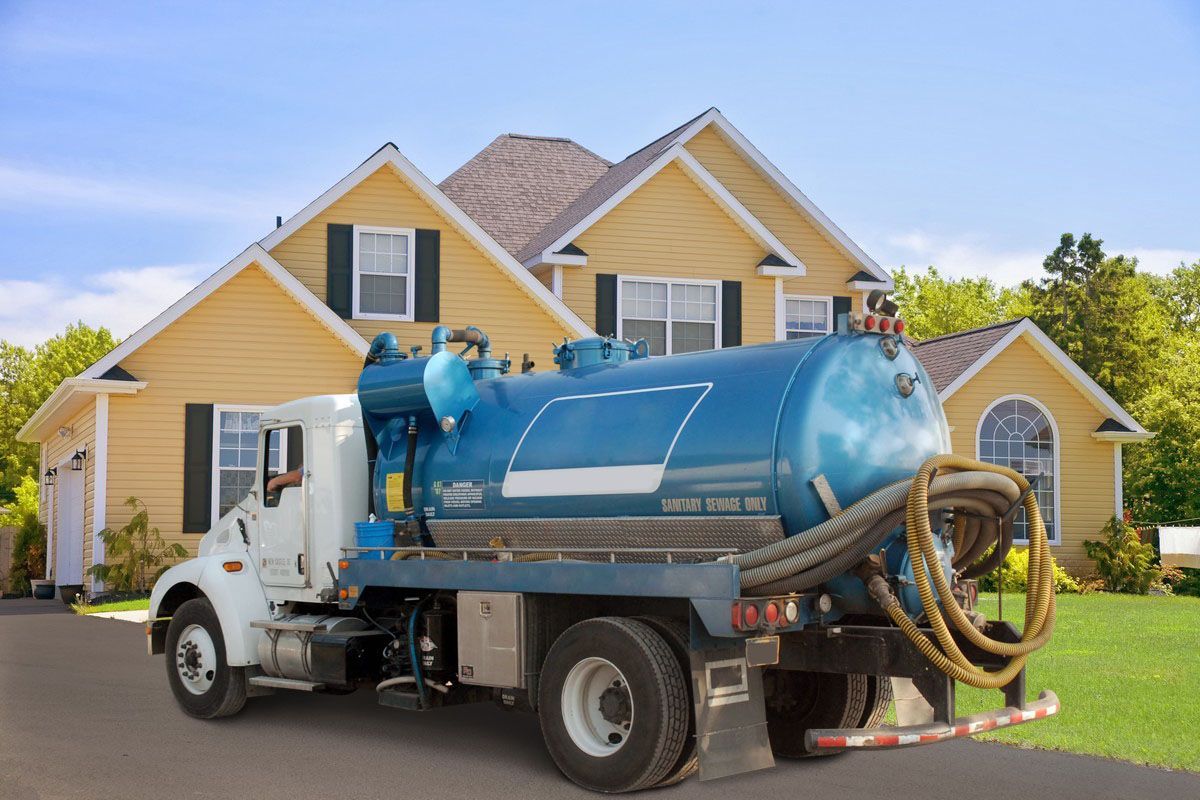
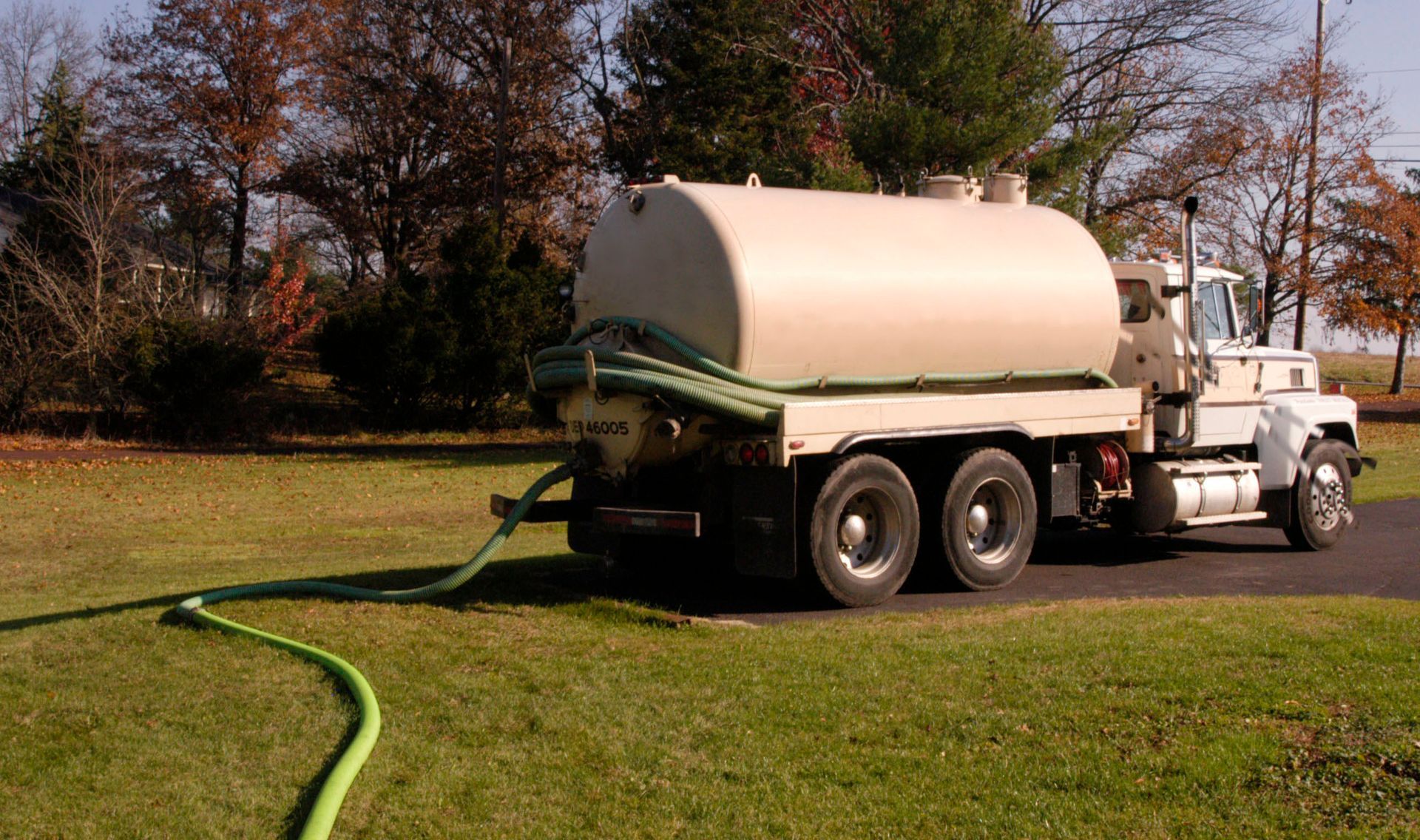
Even highly efficient anaerobic bacteria cannot consume dense mineral sediments, inorganic debris, or settled sludge deposits entirely. Over several years of continuous family usage, accumulated sludge strata rise toward exit filters, threatening catastrophic pipeline clogs. Arranging a reputable septic tank pumping service every three to five years extracts compressed layers of bottom muck and surface scum crusts safely. Professional suction equipment evacuates settled matter completely, resetting holding volume and giving internal biological processes room to regenerate. Neglecting mechanical cleanouts allows dense mud to breach outlet baffles, inevitably wrecking sensitive dispersal grounds and causing thousands of dollars in repairs.
Safeguarding Subterranean Absorption Fields From Compacted Soil
Liquid effluent leaves primary containment through perforated lateral pipes, trickling into gravel beds for final biological purification. Deep soil layers naturally neutralize lingering pathogenic organisms, processing cleaned water before it returns into regional groundwater aquifers. However, heavy vehicle traffic, structural additions, or livestock trampling above these lines compacts loose soil, destroying vital oxygen channels and crushing delicate perforated conduits. A reliable septic tank pumping service will advise property managers to keep parking areas, concrete patios, and heavy machinery far away from absorption areas. Preserving light surface conditions ensures steady aeration, preventing premature drainfield failure and unsanitary standing water puddles.
Controlling Interior Water Usage to Avoid Hydraulic Flooding
Excessive interior water consumption pushes unseparated waste through underground chambers before biological settling processes can finish. Running multiple laundry loads while operating high-volume dishwashers overfills primary vessels, stirring settled bottom sludge into upper liquid layers. This rapid hydraulic surge drives dense suspended solids over baffles, directly blinding soil absorption surfaces with organic grime. Staggering heavy washing cycles, fixing leaking toilet flappers promptly, and installing low-flow faucet aerators prevent internal fluid overload. Managing household conservation protects delicate bacterial balances, ensuring wastewater flows at sustainable velocities that match natural soil percolation capabilities throughout changing weather seasons.
Avoiding Chemical Contamination Through Proper Disposal Practices
Subterranean digestion relies heavily upon living colonies of microscopic bacteria that break down organic domestic debris continuously. Pouring harsh chemical drain openers, antibacterial hand soaps, synthetic solvents, and automotive fluids down sink drains poisons these delicate colonies. Without active bacterial action, solid waste refuses to liquefy, leading to rapid storage accumulation and foul plumbing smells. Hiring a knowledgeable septic tank pumping service helps homeowners evaluate whether commercial additives or synthetic household cleaners have stalled internal biological activity. Discarding noxious chemicals through community hazardous waste centers preserves vital microbes, ensuring consistent organic decomposition and preventing toxic chemicals from contaminating local groundwater supplies.
Inspecting Baffles and Mechanical Filters for Flow Continuity
Structural baffles mounted inside concrete containment walls direct fluid currents downward, preventing buoyant scum from drifting toward outlet pipes. Modern installations also incorporate fine-mesh effluent filters inside outlet tees, intercepting tiny floating particles before they contaminate outer gravel lines. If these mechanical components corrode, crack, or clog with synthetic lint, wastewater quickly backs up into home bathtubs. A certified septic tank pumping service thoroughly inspects structural baffles, clears mesh filters, and identifies early signs of concrete deterioration during routine appointments. Replacing cracked baffles promptly shields downstream fields from solid contamination, preserving clean subterranean flow dynamics across decades.
Preventing Invasive Root Intrusion From Thirsty Landscape Plants
Vigorous tree and shrub roots aggressively seek moisture, penetrating tiny cracks in subterranean concrete walls and pipe seams. Once inside nutrient-rich sewage environments, fibrous root bundles expand rapidly, obstructing pipe diameters and fracturing heavy structural joints. Willow, maple, and elm varieties present severe hazards to underground infrastructure and should never grow within thirty feet of lateral lines. Maintaining simple turf grass over distribution trenches keeps soil firm without introducing aggressive, wood-forming root systems that rupture distribution networks. Removing deep-rooted vegetation preserves pipeline integrity, prevents messy blockages, and ensures wastewater disperses evenly into surrounding subterranean filter beds.
Recognizing Warning Signs of Impending Underground Failure
Catching small mechanical issues early prevents minor wastewater issues from developing into catastrophic environmental emergencies. Homeowners must watch for telltale warning signs, including sluggish sinks, gurgling drains, foul outdoor odors, and unusually lush vegetation over drain lines. Spongy, waterlogged soil or dark surface pools near lateral lines indicate that soil pores cannot absorb incoming effluent volume. Calling an emergency septic tank pumping service at the first hint of drainage sluggishness can save delicate distribution fields from irreversible damage. Timely troubleshooting isolates damaged pipes or excessive solids accumulation before raw domestic wastewater flows backward into finished residential basements.
Protecting Structural Covers and Inspection Access Risers
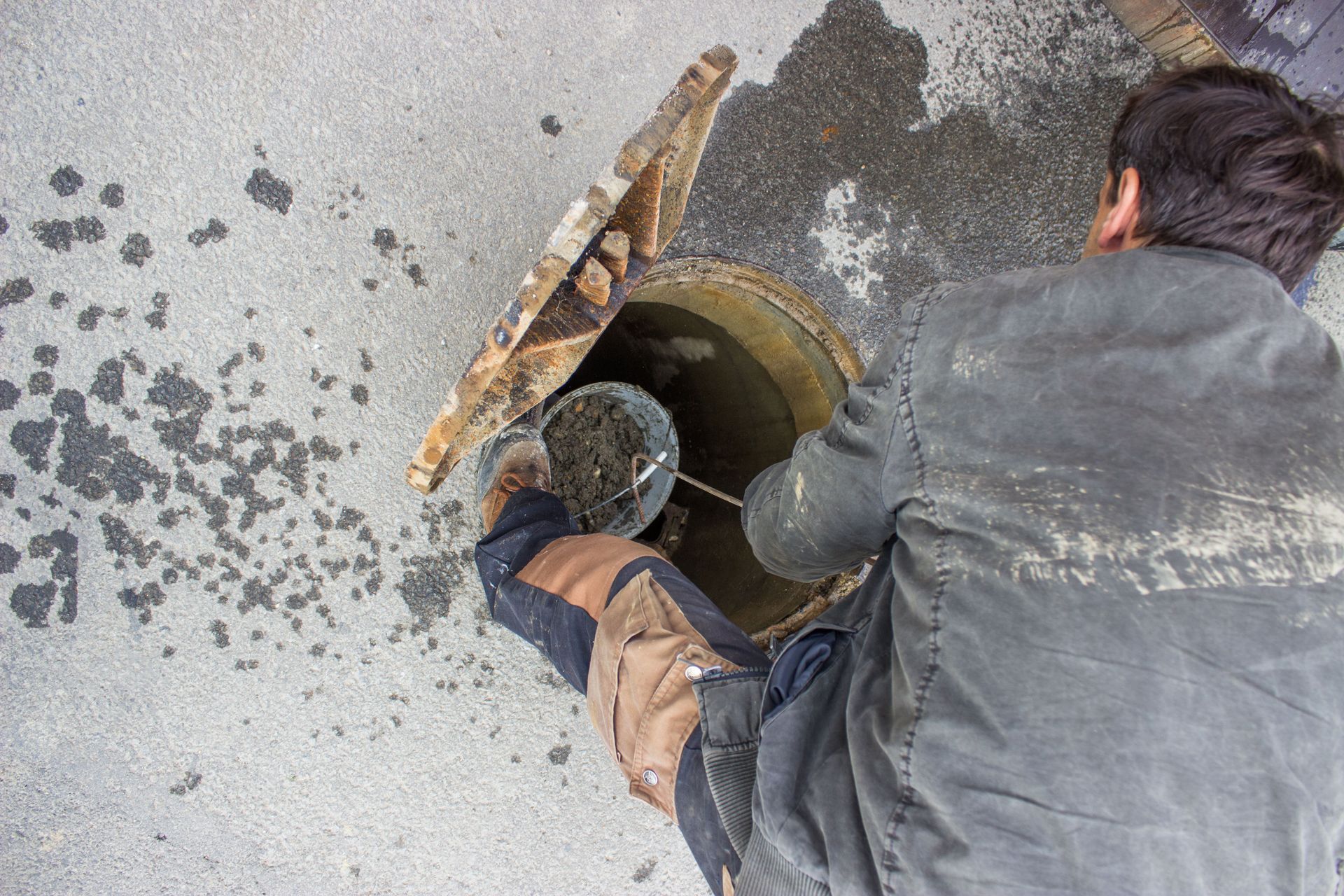
Locating subsurface containment ports can become frustrating during deep winter freezes or urgent drainage backup events. Modern system designs incorporate ground-level risers equipped with heavy, child-safe covers that allow effortless visual inspections and straightforward maintenance. Keeping access lids visible and securely bolted prevents dangerous accidental falls while protecting interior chambers from surface runoff and garden debris. When coordinating with your chosen septic tank pumping service, ensure technicians inspect riser gaskets for watertight seals that stop rainwater infiltration. Easy surface access reduces labor expenses during maintenance visits, ensuring routine inspections proceed smoothly throughout every season.
Mastering onsite wastewater fundamentals transforms mysterious subterranean plumbing into a manageable, long-term household utility that performs reliably year after year. Adhering to responsible water conservation, eliminating toxic household drain cleaners, and protecting fragile soil dispersal zones preserves delicate ecological balances. Scheduling routine pumping visits, inspecting mechanical filters, and sizing equipment to accommodate residential demands protects your broader property investment from expensive structural failures. By maintaining active biological digestion and keeping drainage pathways clear, property owners protect community groundwater tables while enjoying worry-free domestic sanitation. Proactive maintenance remains the smartest, most economical approach for managing private residential wastewater systems successfully.
Are you seeking a reliable septic service in Belmont County, OH, and the surrounding areas? Smitty's Septic Service is your go-to for professional septic services! Contact us today to schedule a service appointment.