January 19, 2026
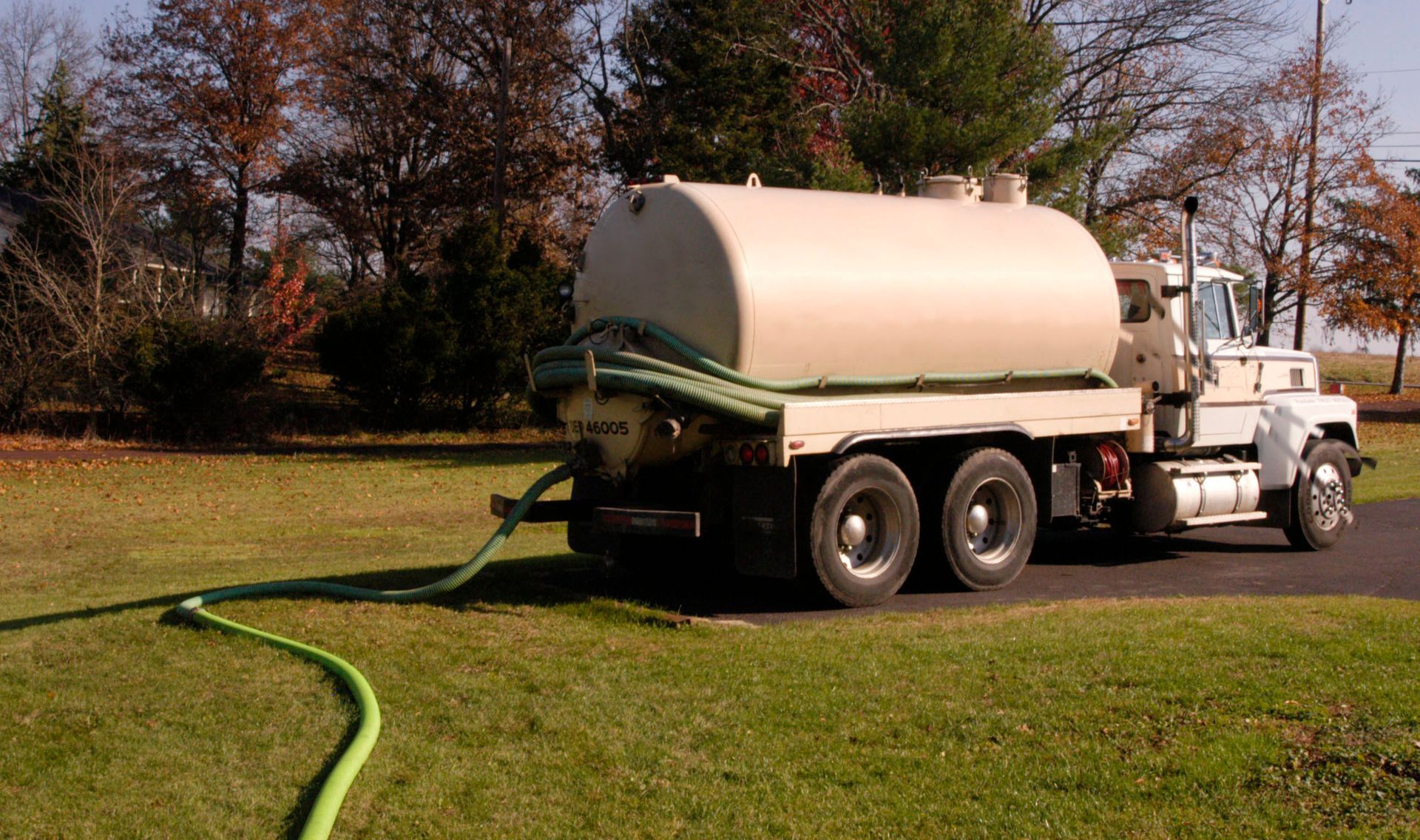
Proper maintenance of septic tanks is crucial for every homeowner relying on these systems. Septic systems require regular inspections to operate efficiently, as neglect can lead to costly repairs and hazardous environmental problems. Often overlooked, the septic tank plays a significant role in waste management, and recognizing early signs of trouble can prevent more extensive issues. Failure to maintain your septic tank can result in unpleasant odors, slow drainage, pooling water, and more. Here, we'll take a look at the key indicators that your septic system may need attention and outline why timely service is essential.
Unusual Odors Emanating from Drains or Yard
Recognizing the Source of Odors
Noticing unpleasant odors in or around your home is often one of the first signs of septic system issues. These odors could emanate from sink drains, toilets, or your yard, indicating a problem with your system. It is crucial to identify whether the foul smells originate from the septic tank or another source. Septic tanks naturally produce gases, but these should not be noticeable unless there is a problem. Therefore, recognizing the source of these odors is the first step toward addressing potential septic issues.
Understanding Normal Septic Tank Smells
Septic tanks naturally emit some level of aroma due to the decomposition of waste by anaerobic bacteria. Normally, these odors dissipate harmlessly through vent pipes, blending with outside air. However, when smells become pervasive within your home or yard, it indicates a potential issue. Your system may be overflowing, or there may be a failure in the venting process. Understanding these odors can guide you to determine whether further inspection or professional intervention is required.
When Odors Indicate Septic Problems
Persistent foul odors signal a need for septic tank maintenance or repair. They often indicate that waste isn't breaking down properly or that your tank is nearing capacity. Moreover, these odors might be present in cases where the tank is leaking or the solid waste is accumulating too quickly. According to the U.S. Environmental Protection Agency, septic tanks should be inspected every 12 to 36 months, with pumping required at least every five years. Ignoring odorous warnings can lead to system failure and environmental contamination.
Slow Draining Fixtures
Identifying Slow Draining from Routine Use
Slow drains throughout your home might seem like a simple inconvenience, but they can indicate substantial septic issues. When water takes longer than usual to clear from sinks, bathtubs, or toilets, it signals a blockage or a failing septic system. Continuous slow drainage can lead to backups, which may damage your plumbing or your home. While one slow fixture might not point directly to the septic system, multiple slow fixtures typically signify a broader issue. Watching for this pattern can help diagnose whether a larger problem exists.
Understanding Common Causes of Slow Drains
Multiple factors can be the cause behind slow drains, including clogs, blockages, or serious septic issues. Often, slow-moving drains are caused by an obstruction in the pipes from hair, soap buildup, or food. However, when slow drainage occurs in various fixtures, it may be due to a full septic tank. Additionally, decreased system capacity from excessive use can also lead to slow draining. Understanding these causes helps in diagnosing the issue and determining whether professional septic service is necessary.
Distinguishing Between Drain Clogs and Septic Issues
Discerning between a simple clog and a septic system issue is crucial for taking appropriate action. A single slow drain typically points to a local clog that can be addressed with conventional methods. Conversely, when multiple drains in the house are slow, it generally suggests septic tank problems. It may imply your tank is full or the drain field is failing to absorb wastewater. Address these signs promptly by considering a professional evaluation to prevent further complications.
Pooling Water or Soggy Areas in the Yard
Locating the Septic Drain Field
The septic drain field is an integral part of the waste management system, responsible for filtering wastewater. It is located where wastewater is dispersed after treatment in the septic tank. When issues arise, pooled water or soggy areas can appear around the drain field location. Knowing where this area is on your property can help you notice unusual changes that indicate septic problems. Recognizing these signs early can prompt necessary actions to prevent environmental hazards.
Understanding Causes of Water Accumulation
Accumulating water in your yard can happen for several reasons, often signaling a septic problem. Common causes include overloading the system, improper drainage, or a saturated drain field. Such issues can cause sewage to rise to the surface if the drain field cannot filter the water quickly enough. A well-designed and maintained septic system prevents these occurrences, avoiding landscape damage and potential health risks. Knowing the root cause is imperative for proper resolution and maintenance of the system.
Avoiding Health Hazards of Untreated Pooling Water
Having water pooled near your septic system is not merely inconvenient but poses significant health risks. Stagnant water from a failing septic system contains harmful bacteria and pathogens that can infiltrate ground and surface water. Direct contact with this water or exposure to contaminants can lead to illness and environmental damage. It's crucial to address pooling water immediately to prevent potential health hazards and property damage. Proper maintenance of septic tanks and prompt action when issues arise ensure the safety of your home and surroundings.
Unexplained Increase in Plant Growth Near Drain Field
Recognizing Natural vs. Unnatural Plant Growth Patterns
Plants near your septic drain field may exhibit rapid growth if wastewater is leaking into the soil. Typically, plant growth in these areas should be consistent with the surrounding landscape. An unusual increase in greenery often indicates an underlying septic leak, which nourishes the plants with extra moisture and nutrients. Recognizing these growth patterns is an important diagnostic tool in identifying septic system issues. Pay attention to such changes so that you can address any underlying problems promptly.
Understanding How Septic Leakage Can Fertilize Unwanted Growth
Septic leakage contributes to unwanted plant growth by supplying excess water and nutrients, such as phosphorus and nitrogen, which promote lush vegetation. While this may seem beneficial, it signals a malfunction within the septic system. Excessive nutrient enrichment can lead to ecological imbalance and water contamination if not addressed. Consistent septic maintenance and repairs ensure that the system functions correctly without over-enriching the soil. Monitoring vegetation changes is essential for sustainable landscape and septic management.
Identifying Plant Varieties Indicating Septic Issues
Certain plant varieties can act as indicators of possible septic leakage issues. Vegetation, such as overly lush or fast-growing grass patches and weeds, can thrive in areas with excess nutrients. When these phenomena occur near your septic drain field, it often points to system deterioration, requiring service. Keep an eye on plant patterns and types around your property for early warning signs. Identifying and addressing these signs can protect your septic system and the surrounding environment.
Maintaining your septic tank is integral to managing household waste efficiently and avoiding potential health and environmental hazards. Recognizing the key warning signs, from unusual odors and slow drainage to pooling water and abnormal plant growth, allows for timely intervention and repair. Addressing these signs promptly can prevent costly repairs and maintain system health. A proactive approach to maintaining septic tanks guarantees safety and functionality for years to come. If you're looking for a company known for its expertise in maintaining septic tanks, consider Smitty's Septic Service. Contact us today to get started!